Botanical Tales: Snake plants
Old Name, Enduring Appeal
Click here to read in Afrikaans

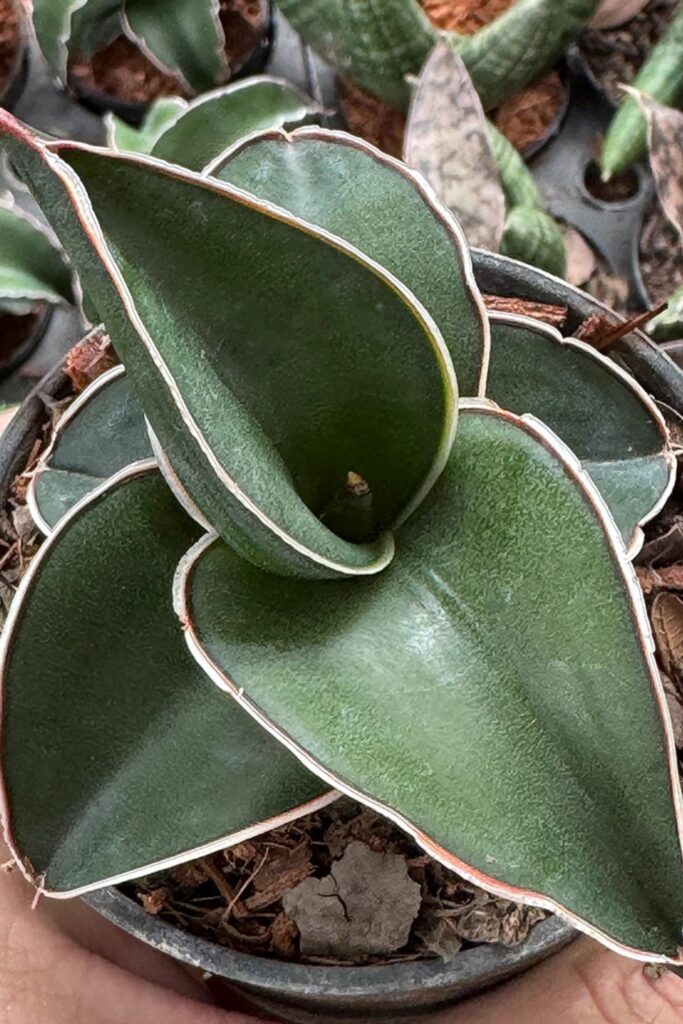
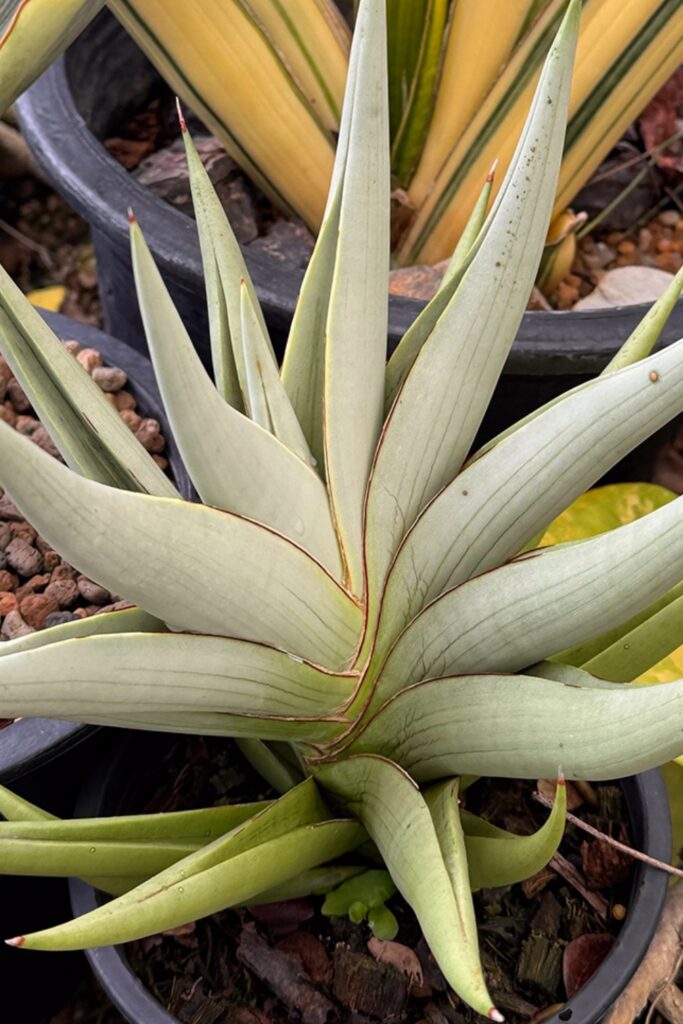
The much-loved snake plant is known by several common names, including mother-in-law’s tongue, Saint George’s sword and devil’s tongue. For generations, however, most gardeners have simply known these hardy indoor plants as Sansevierias.
Following a major botanical reclassification, Sansevieria is now included in the genus Dracaena. Although the change is scientifically accepted, it has met with some resistance from growers and collectors. The familiar name Sansevieria remains widely used in the horticultural trade and among plant enthusiasts.
A favourite among collectors
Snake plants have enjoyed waves of popularity over the years, but their appeal shows no sign of fading. Collectors are increasingly searching for unusual species, rare colour forms and plants with distinctive growth habits.
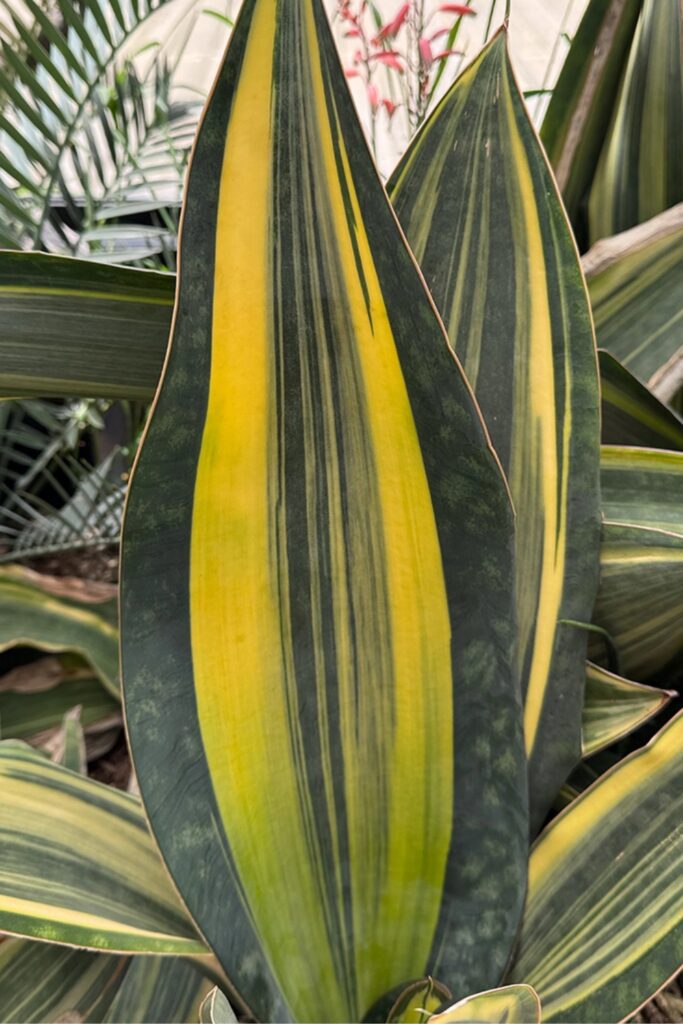
Variegated varieties are especially sought after, with their foliage displaying striking shades of green, cream, yellow, white and even copper. Cultivars such as ‘Gabriella White Variegated’ and ‘Coppertone Variegated’ demonstrate just how diverse this group of plants can be.
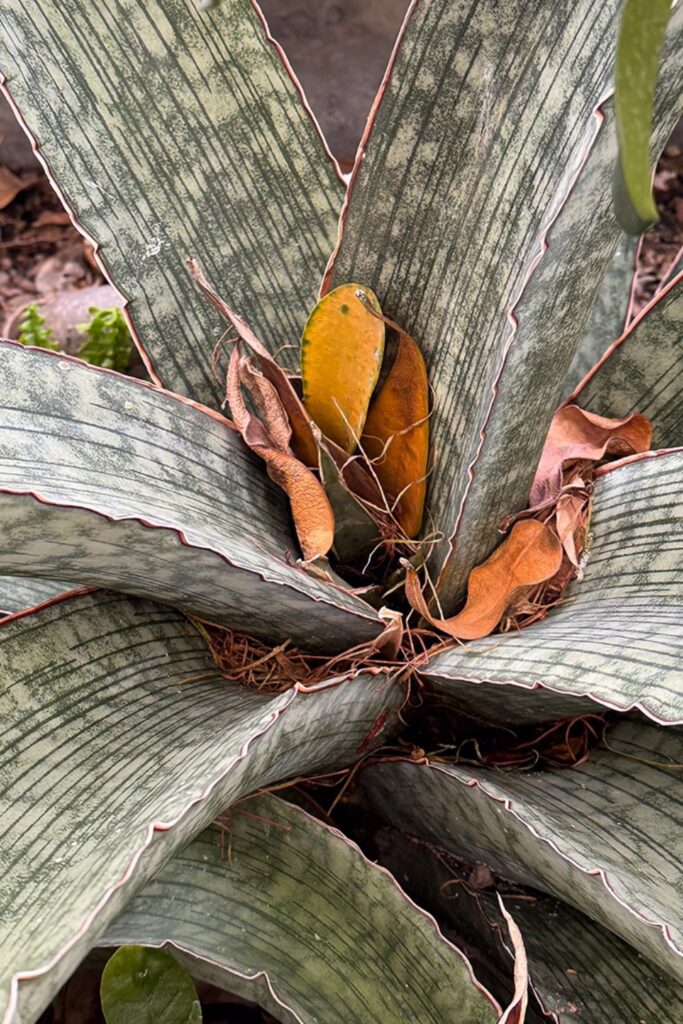
Other varieties are prized for their architectural shapes, unusual leaf patterns and sculptural appearance. From the broad, dramatic leaves of Sansevieria masoniana ‘Variegated’ to the distinctive form of Sansevieria pinguicula, there is a snake plant to fascinate almost every collector.

Dependable indoor plants
While rare varieties attract serious collectors, snake plants remain stalwarts of the indoor plant trade. Their tough foliage does not bruise or become damaged as easily as that of many other indoor plants, allowing them to remain attractive even when growing conditions are less than ideal.
This resilience makes them an excellent choice for homes, offices and public spaces. Their ability to tolerate lower-light conditions also makes them particularly useful in indoor areas where many other plants may struggle.
Although snake plants are known for being forgiving, they will perform best when placed in bright, indirect light and protected from overwatering. Their thick leaves store moisture, so the potting mix should be allowed to dry between waterings.
New varieties on the rise
Snake plants are produced on a large scale for both the commercial indoor plant trade and the specialist collector’s market. Thailand, in particular, has become well known for developing and growing an impressive selection of unusual forms and cultivars.
Breeders continue to introduce new varieties, while rare and slow-growing species are cultivated for their exceptional colour, leaf markings, variegation and unusual shapes.
Whether you still call them Sansevierias or have embraced their new classification as Dracaena, these striking plants remain as dependable as they are decorative. With their fascinating variety and ability to cope with challenging indoor conditions, it is easy to see why snake plants continue to win over both new plant owners and dedicated collectors.
Looking for something?
Follow Us