Dazzling dahlias
For years, dahlias were unfairly overlooked, but that is changing fast. These striking flowering plants are finding favour again with gardeners who want bold colour, long-lasting blooms, and plants that can cope well with heat. With their origins in Mexico, dahlias are tougher than many people realise and, despite their exotic appearance, they can handle severe summer heat and relatively low rainfall.
That combination of beauty and resilience is one of the main reasons dahlias are becoming popular again. They bring weeks of vibrant colour to the garden and suit a wide range of planting styles, from mixed borders to formal beds and containers.
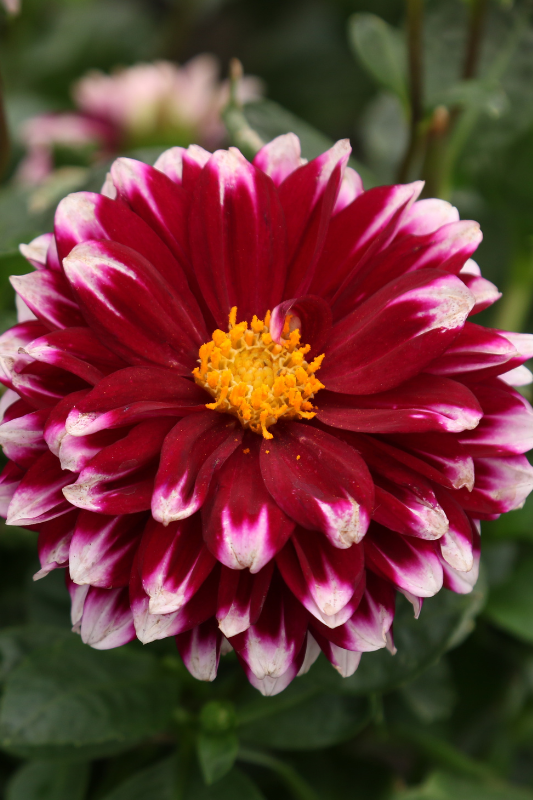
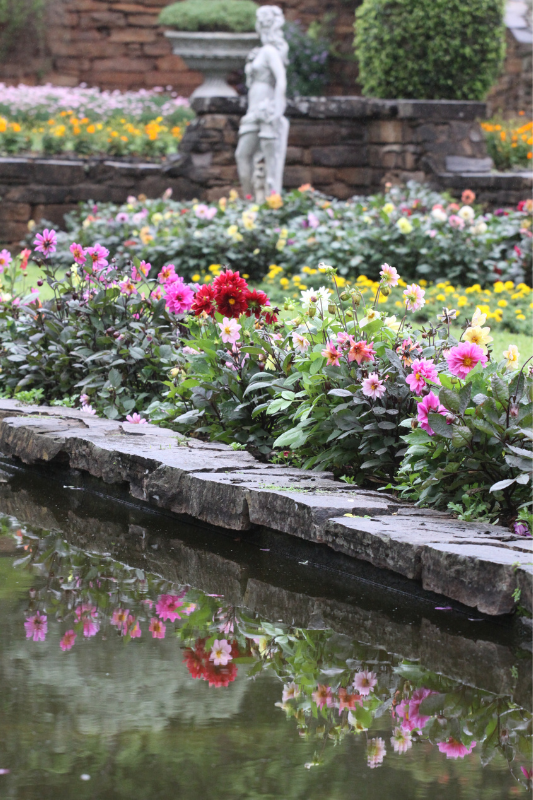
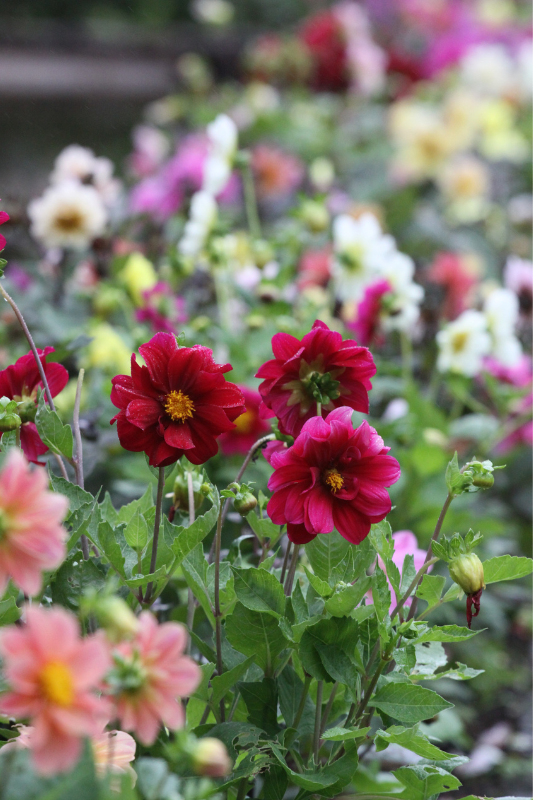
Why dahlias deserve their return to popularity
Dahlias are valued for their wide colour range, impressive flower forms, and long flowering season. They bloom generously through summer and often look even better in autumn, when cooler weather helps the flowers last longer and show off their colour more clearly.
Another reason for their renewed appeal is their versatility. There are tall decorative types, cactus-flowered forms, compact bedding dahlias, and many shapes and sizes in between. This makes them useful for both large and small gardens.
Best conditions for growing dahlias
- Dahlias perform best in a sunny position.
- They do not tolerate shade well, and plants grown in low light often become leafy with fewer flowers.
- They also benefit from good air circulation, especially during humid weather. If plants are crowded, they may be affected by powdery mildew.
- Where mildew becomes a problem, improve airflow by removing competing growth and treating with a suitable fungicide according to label directions.
What soil do dahlias need?
Dahlias are not especially fussy, but they grow best in soil improved with compost before planting.
In summer rainfall regions, they prefer friable, free-draining soil. In winter rainfall regions, they are better able to survive hot, dry summers in soil that holds moisture more effectively. In most gardens, enriching the soil with organic matter before planting is the simplest way to support healthy growth and reliable flowering.
Bedding dahlias for easy summer colour
Among the easiest dahlias to grow are the bedding types, which are often sold as seedlings in garden centres. These compact, colourful plants are ideal for borders and edging, where they create a bright display over many weeks. They are often treated as annuals and will continue flowering through summer until the first frost.
Because of their manageable size and strong performance, bedding dahlias are especially useful in small gardens. They stay neat, provide a dense display of flowers, and fit easily into mixed planting schemes.
Popular dahlia varieties to look for
Gardeners can choose from a number of attractive bedding and compact varieties, including:
Hello Gorgeous
A neat, compact plant with large double blooms in shades of yellow, bronze, white, pink, rose, and scarlet.
Fresco Mix
A colourful mix with double blooms in yellow, gold, orange, red, apricot, and creamy yellow, usually growing to around 30 cm.
Redskin
A distinctive variety with bronze foliage and double flowers, reaching about 50 cm in height.
Harlequin Mix
An unusual collarette type with semi-double blooms and an inner ring of contrasting petals, giving the flower a layered appearance.
Mignon Mix
A single-flowered type with large yellow centres and blooms in warm shades of orange, yellow, red, and cream.
Unwin’s Dwarf
A slightly taller compact type with double flowers, usually reaching 50 to 60 cm.
How to Keep Dahlias Flowering
To keep dahlias blooming for as long as possible, remove spent flowers regularly. This encourages the plant to keep producing new buds instead of putting energy into seed production. With enough sun, good spacing, and regular deadheading, dahlias will provide colour for months.
Dahlias are easy to work into almost any garden style. Compact varieties brighten borders and small spaces, while taller types add impact to mixed beds. With their long flowering season and ability to cope with heat, it is easy to see why they are returning to favour.
Looking for something?
Follow Us