Grow More Veggies With Bucket Gardening
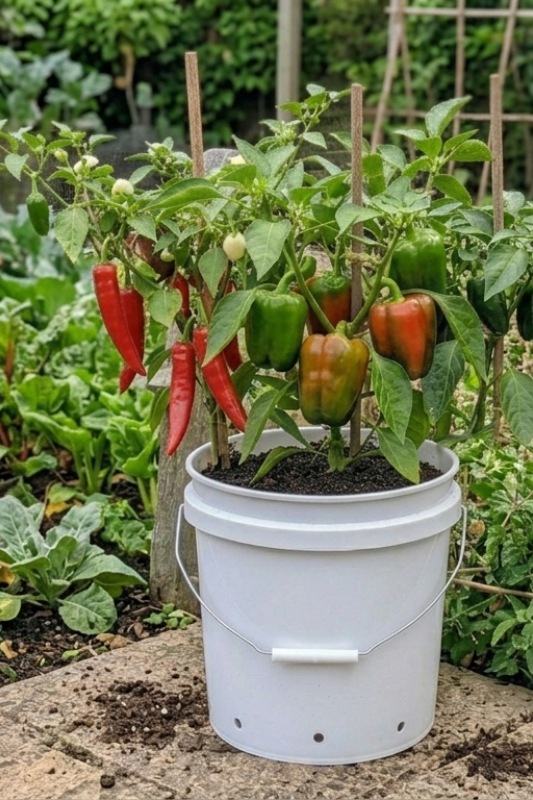
Did you know that a single 20-litre bucket can produce more than 100 tomatoes, 2kg of sweet potatoes, 20 carrots, 120 green beans, or 35 peppers in one growing season? With just a few buckets, even the smallest outdoor space can become a productive vegetable garden.
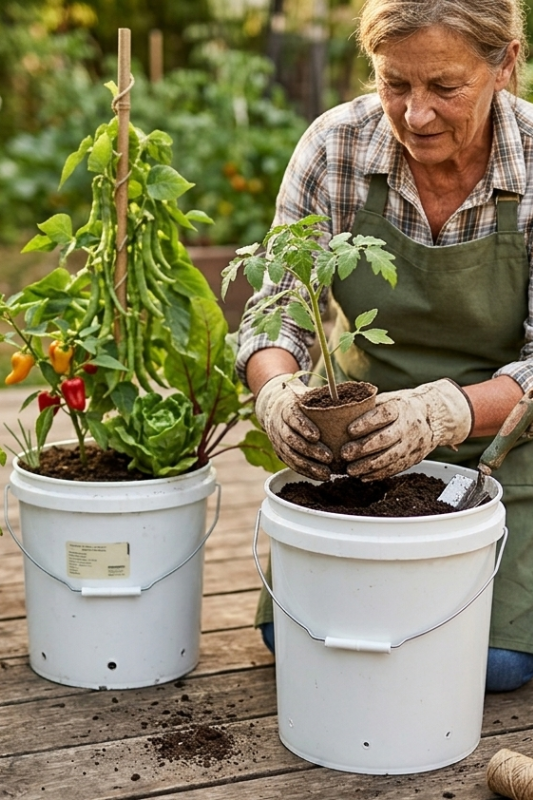
Bucket gardening is affordable, practical, and perfect for patios, balconies, small gardens, or areas with poor soil. Buckets are easy to move, simple to maintain, and suitable for growing almost any vegetable. While buckets between 10 and 20 litres work well, larger buckets are best for root vegetables and larger crops.
Why Bucket Gardening Works
Growing vegetables in buckets offers several advantages:
- Saves space
- Uses less water than traditional gardens
- Easy to move into sunlight or shelter
- Reduces weeds and soil-borne diseases
- Ideal for urban gardening
- Affordable and beginner-friendly
- With the right setup, bucket gardening can provide a steady supply of fresh vegetables throughout the season.
What You Can Grow in a 20-Litre Bucket
Here is a simple guide to how many plants you can grow per bucket:
| Vegetables | Plants Per Bucket |
| Tomatoes, cucumbers, brinjal, peppers, butternut, baby marrow, cabbage | 1 plant |
| Green beans, kale, Swiss chard | 2 to 3 plants |
| Lettuce, leeks | 3 to 4 plants |
| Spinach, Asian greens | 4 to 6 plants |
| Onions, garlic | 6 or more plants |
| Radishes, carrots | 10 to 15 or more plants |
How to Set Up a Bucket Garden
1. Add Drainage Holes
Good drainage is essential. Drill six holes into the base of the bucket to allow excess water to escape.
Tip: Place masking tape over the spots before drilling to help prevent the plastic from cracking.
2. Use Quality Potting Soil
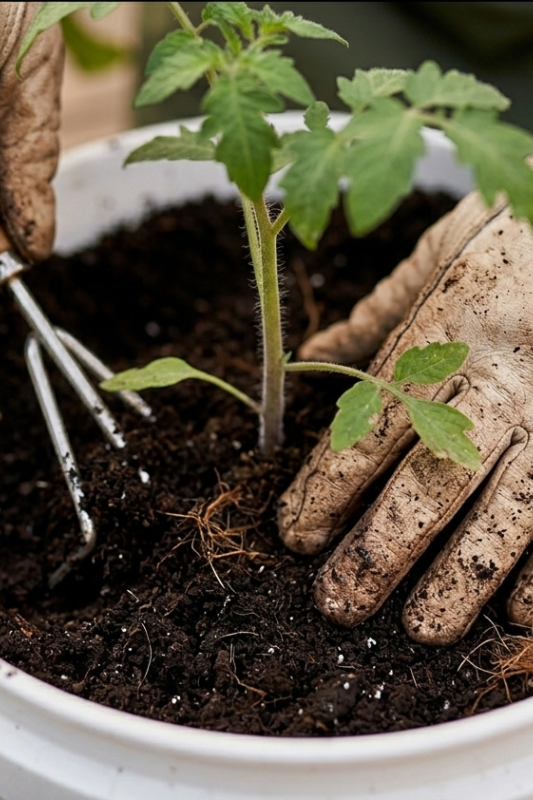
Fill your bucket with good-quality potting soil mixed with compost. Avoid using garden soil, as it becomes compacted in containers and restricts root growth. Healthy soil helps plants grow stronger and produce more vegetables.
3. Water Regularly
Container plants dry out much faster than plants in the ground, especially during hot weather. Water at least once a day
In very hot conditions, water twice daily if needed. Keep the soil consistently moist but not waterlogged
4. Elevate the Buckets
Place buckets on bricks, wood blocks, or stands to improve drainage and airflow underneath the container. This prevents roots from sitting in excess water.
5. Give Plants Enough Sunlight
Most vegetables need between 6 and 8 hours of direct sunlight every day. Position your buckets where they will receive plenty of sun for the best harvests.
6. Feed Your Plants
Vegetables grown in containers need regular feeding because nutrients wash out faster.
Use:
- Slow-release granular fertiliser once a month, or
- Liquid fertiliser twice a month
- Regular feeding encourages healthy growth and higher yields.
Small Space, Big Harvests
Bucket gardening proves that you do not need a large garden to grow fresh food. With a few buckets, quality soil, sunlight, and regular watering, you can produce an impressive harvest in a small space while saving water and reducing costs. Whether you are gardening on a balcony, patio, or small backyard, bucket gardening is an easy and rewarding way to grow your own vegetables at home.
Looking for something?
Follow Us
Grow to Eats Categories
DIY Food Gardening
Fruit
Grow To Eat
Herbs
Maintenance
Pests and Diseases
Pollinators
Recipes
Seeds
Spices
Vegetables