Sizzling horseradish

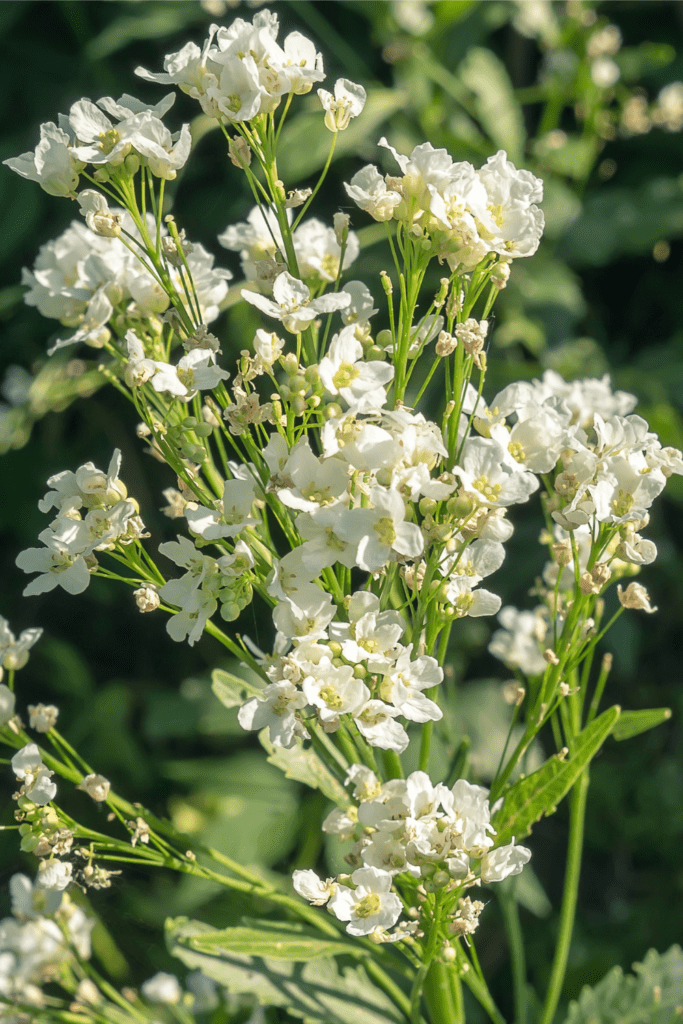
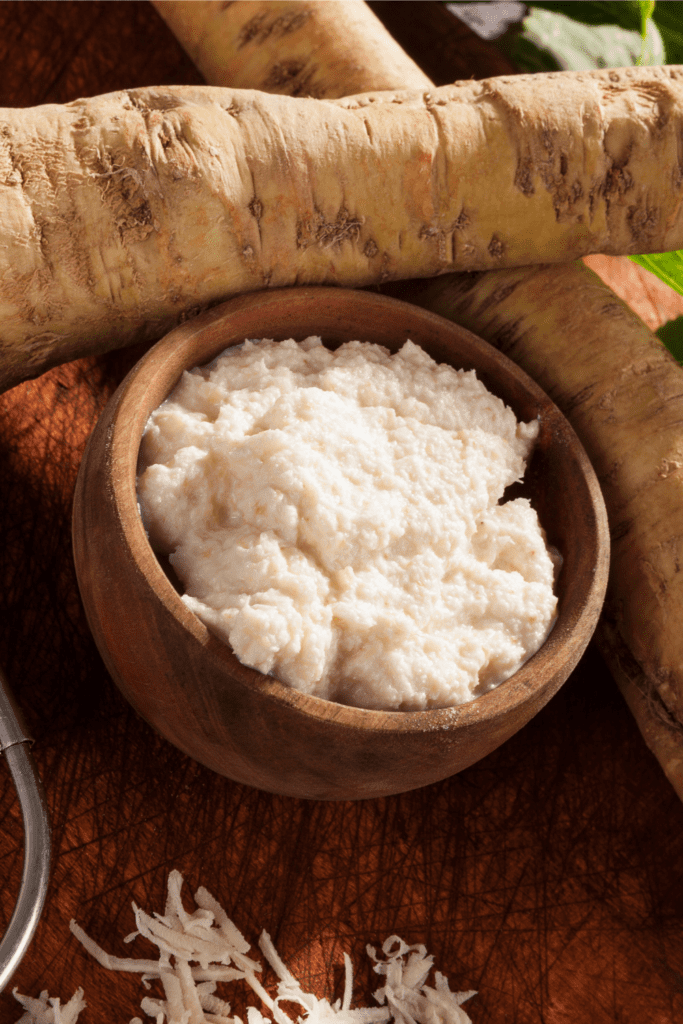
Your mental image of horseradish (Armoracia rusticana) is probably that strange jar containing a mysterious white substance that lived at the back of your fridge as a child, or perhaps as the substitute for true wasabi that is masked by luminous green food colouring and comes with your sushi. But horseradish should be best known in the garden, as it is one of the easiest edible plants to grow. This refreshingly spicy vegetable (or herb – its definition is up for debate) will pack far more of a punch when it’s sliced fresh from your backyard.
One plant, endless harvest
A starter horseradish plant may be difficult to acquire, but once it’s established you’ll have a lifetime supply. These plants propagate by root division – the smallest section of a root has the ability to grow into a fully-fledged plant. In fact, it spreads so aggressively that it should be well-contained in your garden to prevent it from taking over completely. If you’re happy to stick with a limited supply, horseradish is best grown in containers to save other plants from its relentless march.
Growing
Growing horseradish couldn’t be simpler – it pretty much takes care of itself. Plant in autumn by placing the root in the soil at a 45° angle and leaving most of the plant covered. Simply water, and let it do its thing. All it needs is a sunny spot and plenty of space (emphasis on plenty) and the plant will do the rest.
Horseradish is incredibly cold hardy and can survive very tough winters. In fact, cold soils improve the flavour. Ensure the soil is well draining – as a root vegetable, it can’t be left sitting in water. It’s not a particularly thirsty plant and should survive on just rain, but in dry seasons it’s best to water every week or two to prevent the roots from turning woody. Leaves will emerge in spring, and the plant will produce flowers that can be removed by hand to focus the plant’s energy on root production. These young leaves are edible – ideal for spicy salads – but are toxic to pets.
Harvesting
Horseradish needs time to establish; at least one season, but preferably two. Harvest when needed by loosening the soil with a gardening fork. Follow the direction of the root, loosening the soil as you go, to make it easier to remove. Once pulled, scrub the roots clean and leave it to dry. It can then be stored in the fridge for several months in a plastic bag or container. You likely won’t have any problems with harvesting, but you might have the problem of having more than you know what to do with. If that’s the case, take a look at these recipes to make use of your abundance of horseradish.
Horseradish cream
- 1⁄2 cup cream
- 1⁄2 cup sour cream
- 1⁄2 cup horseradish, grated
- 1⁄2 lemon, juiced
- Salt and pepper
In a bowl, whisk the cream until thickened. Fold in the remaining ingredients and season with salt and pepper to taste. Refrigerate for 1 hour before serving.
Homemade ‘wasabi’
- 1⁄2 cup horseradish, grated
- 1 tablespoon mustard powder
- 1 teaspoon English mustard
- Green food colouring
Add all of the ingredients to a food processor and blend into a paste, adding water until the mixture has reached the desired consistency.
Looking for something?
Follow Us

Grow to Eats Categories
DIY Food Gardening
Fruit
Grow To Eat
Herbs
Maintenance
Pests and Diseases
Pollinators
Recipes
Seeds
Spices
Vegetables